If you have ever wondered why Manhattan co-ops inspire both loyalty and caution, the answer is simple: they offer a very specific way of living. You are not just buying an apartment. You are joining a building with its own rules, routines, and shared decision-making. If you are considering this path, it helps to understand both the appeal and the tradeoffs before you make an offer. Let’s dive in.
Co-op Ownership Works Differently
In a classic Manhattan co-op, you do not own real property in the same way you would in a condo. Instead, you buy shares in a corporation, and those shares are tied to a particular apartment through a long-term proprietary lease.
That structure shapes almost everything that follows. Your monthly maintenance is typically tied to your share allocation, and the building’s board plays an important role in how the property is run, how rules are enforced, and how decisions are made.
By contrast, condo ownership is more direct. A condo owner holds title to the unit itself and also has an interest in the common elements, which is one reason buyers often experience co-ops as more structured and condos as more flexible.
Daily Life Feels More Communal
One of the clearest differences in a classic Manhattan co-op is the sense that the building operates like a small corporation. Residents are shareholders, and board members are usually fellow shareholders who serve without pay and work within the bylaws, proprietary lease, and house rules.
In practical terms, that can make co-op living feel more civic than transactional. You are part of a community with agreed rules around building operations, meetings, elections, and often subletting, rather than simply paying a fee and staying out of the process.
For many buyers, that structure is part of the appeal. It can support continuity, predictable standards, and a stronger sense of shared stewardship over the building.
Classic Co-ops Often Mean Prewar Character
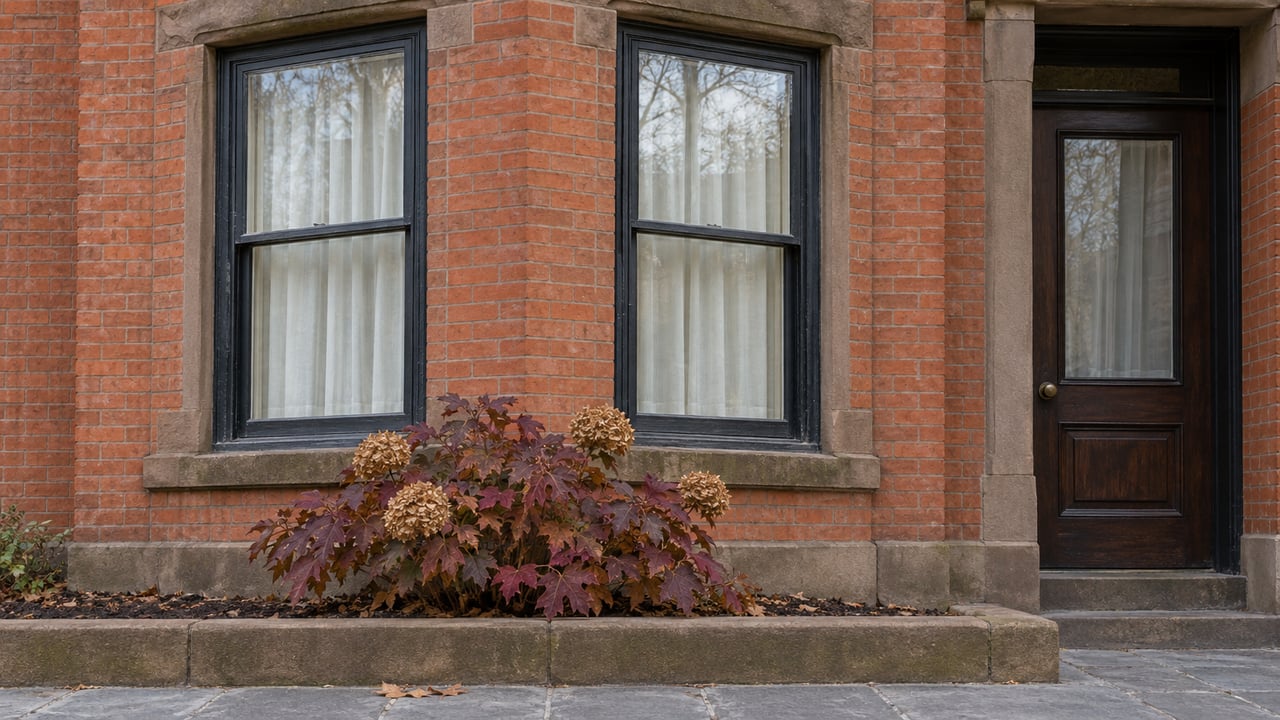
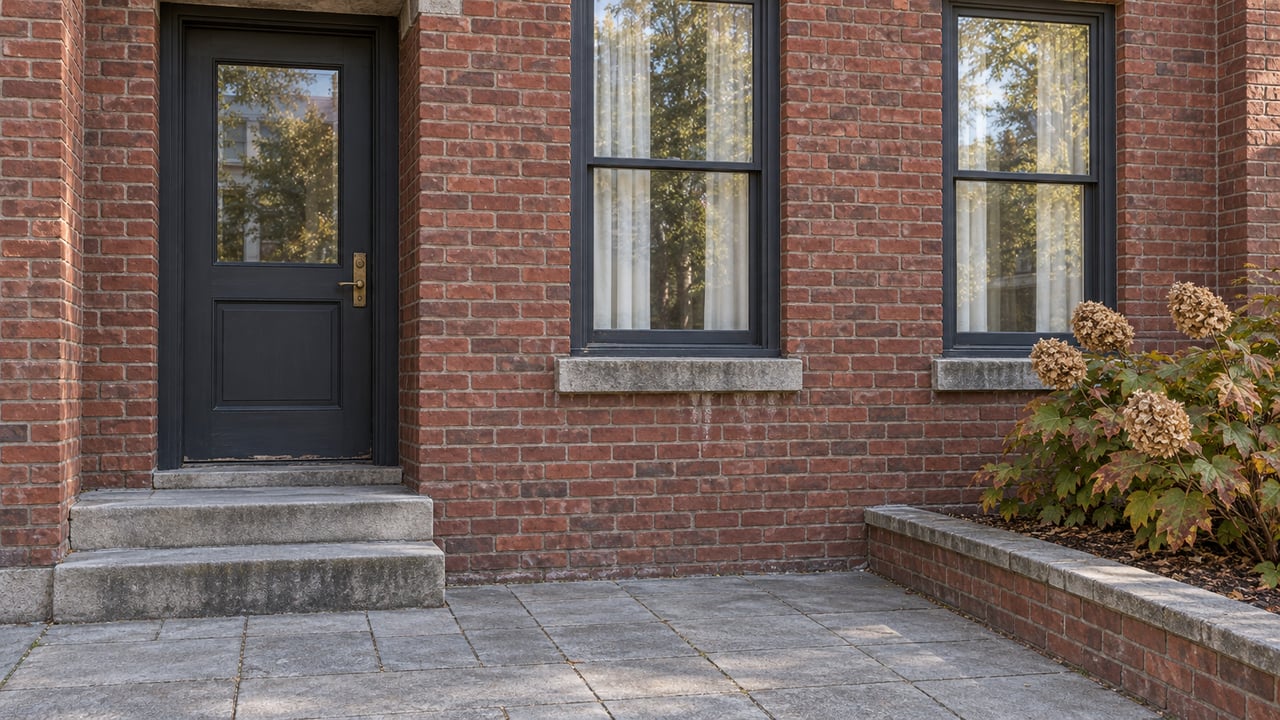
When people picture a classic Manhattan co-op, they are often thinking of a prewar building. This housing style is especially associated with areas such as the Upper East Side, Upper West Side, and West Village.
Prewar buildings are often valued for features that are harder to find in newer construction. You may see spacious layouts, high ceilings, thick walls, and grand lobbies, along with practical shared features like central laundry or storage.
At the same time, the amenity mix can be more limited than what you would find in newer developments. Many classic co-ops may not offer in-house gyms, central air, or in-unit washers and dryers, so the lifestyle choice is often about character and proportion rather than a long list of modern perks.
Manhattan Neighborhood Patterns Matter
Classic co-op living is not distributed evenly across Manhattan. In 2024, Manhattan’s homeownership rate was 25.5%, while the Upper East Side was 37.9% and the Upper West Side was 35.6%. Lower East Side/Chinatown was much lower at 16.7%.
That does not prove where every co-op buyer should look, but it does suggest where this ownership culture is more visible. If you are searching in the Upper East Side or Upper West Side, you are more likely to encounter the traditional co-op experience as a major part of the housing stock.
Downtown and other mixed areas can present a different balance of rentals, condos, and co-ops. That matters because the building culture, approval process, and monthly carrying costs can feel very different depending on the property type.
Rules Are Part of the Experience
A classic Manhattan co-op usually comes with more oversight than a condo. The bylaws, proprietary lease, and house rules can govern everything from annual meetings to election procedures to subletting terms.
That may sound restrictive at first, but it is really the framework of the building. Some buyers appreciate the consistency and predictability. Others find the added review process frustrating, especially if they want maximum freedom to renovate, lease out the apartment, or make changes quickly.
This is why co-op living often comes down to fit. If you value structure, continuity, and clear building standards, a co-op can feel reassuring. If flexibility is your top priority, the same rules may feel limiting.
Renovations Need Planning
If you love the idea of updating a kitchen or bath, it is important to know that renovation in Manhattan co-ops usually involves more than hiring a contractor. New York City guidance states that most construction work requires permits, and many kitchen and bathroom projects require an ALT2 permit.
Some smaller cosmetic work may not require a permit. Painting, plastering, installing new cabinets, and resurfacing floors are examples of work that may be more straightforward.
But inside a co-op, city rules are only part of the picture. Structural changes, including rerouting pipes or adding a wall, generally require board approval under the proprietary lease. So your renovation path may involve both building approval and city compliance.
Landmark Rules Can Add Another Layer
In some classic Manhattan buildings, there is an additional consideration beyond the board and the Department of Buildings. If the building is landmarked or located in a historic district, the Landmarks Preservation Commission may need to approve changes that affect the designated building.
Ordinary repairs and most interior work generally do not require LPC review unless the work affects the exterior or requires a DOB permit. Still, if you are buying into a historic property, it is wise to understand early whether any planned work could trigger extra review.
This is one reason due diligence matters so much in classic co-ops. What seems like a simple design update on day one can become a more layered approval process once building and city rules are taken into account.
Monthly Costs Are More Than a Mortgage
One of the biggest adjustments for first-time co-op buyers is understanding monthly carrying costs. In a co-op, property tax is not typically billed directly to you. The tax bill goes to the co-op board, which allocates those costs through maintenance or common charges.
The city also offers a co-op and condo tax abatement for eligible primary residences, but the building management or board applies on behalf of eligible units. That means some benefits are handled at the building level rather than by the individual owner.
The NYC Comptroller also notes that most co-ops have underlying mortgages and often substantial carrying costs beyond your personal mortgage. In other words, your monthly budget needs to account for more than principal and interest.
Not Every Co-op Follows the Same Model
It is also important to avoid treating all Manhattan co-ops as interchangeable. New York City has more than 1,100 HDFC co-ops, and those limited-equity buildings can come with income limits, resale restrictions, and often subletting restrictions.
In those buildings, shareholders typically own equal shares regardless of apartment size and elect a board, usually each year. If you are considering an HDFC apartment, the ownership rules may look very different from those in a market-rate classic co-op.
That is why building-specific review matters just as much as neighborhood research. Two apartments a few blocks apart can offer very different ownership experiences, even if they both fall under the broad label of co-op.
The Real Tradeoff of Co-op Living
At its core, living in a classic Manhattan co-op usually means trading flexibility for structure. You may gain architectural character, continuity, and a stronger sense of shared stewardship, but you also accept more board oversight, more renovation friction, and a more rules-based relationship with the building.
For the right buyer, that tradeoff is not a drawback. It is the reason the property feels stable, well-managed, and worth committing to over the long term.
The key is to go in with a clear understanding of how the building works, what the documents allow, and how the monthly costs fit your budget. If you match the right co-op to your priorities, the experience can be deeply rewarding.
If you are weighing a Manhattan co-op purchase and want a finance-minded, process-driven perspective, Steven Segretta offers thoughtful guidance to help you evaluate building rules, monthly costs, and overall fit with confidence.
FAQs
What does ownership mean in a classic Manhattan co-op?
- In a classic Manhattan co-op, you buy shares in a corporation that are tied to a specific apartment through a long-term proprietary lease, rather than owning the unit directly like a condo.
What is daily life like in a classic Manhattan co-op building?
- Daily life in a classic Manhattan co-op often feels more community-oriented because the building is governed by fellow shareholders through bylaws, house rules, and board oversight.
What features are common in classic Manhattan co-op apartments?
- Classic Manhattan co-op apartments are often in prewar buildings and may include spacious layouts, high ceilings, thick walls, grand lobbies, central laundry, and storage, while offering fewer modern amenities than newer developments.
What should buyers know about renovating a classic Manhattan co-op?
- Buyers should know that many renovation projects require city permits, and structural changes such as adding walls or rerouting pipes generally also require board approval under the proprietary lease.
How do monthly costs work in a classic Manhattan co-op?
- Monthly costs in a classic Manhattan co-op often include maintenance that reflects building expenses such as property taxes and may also reflect underlying building debt, so your carrying costs can extend beyond your own mortgage.
Are all Manhattan co-ops the same?
- No. Some Manhattan co-ops, including HDFC co-ops, can have income limits, resale restrictions, and subletting rules that differ significantly from market-rate co-ops.