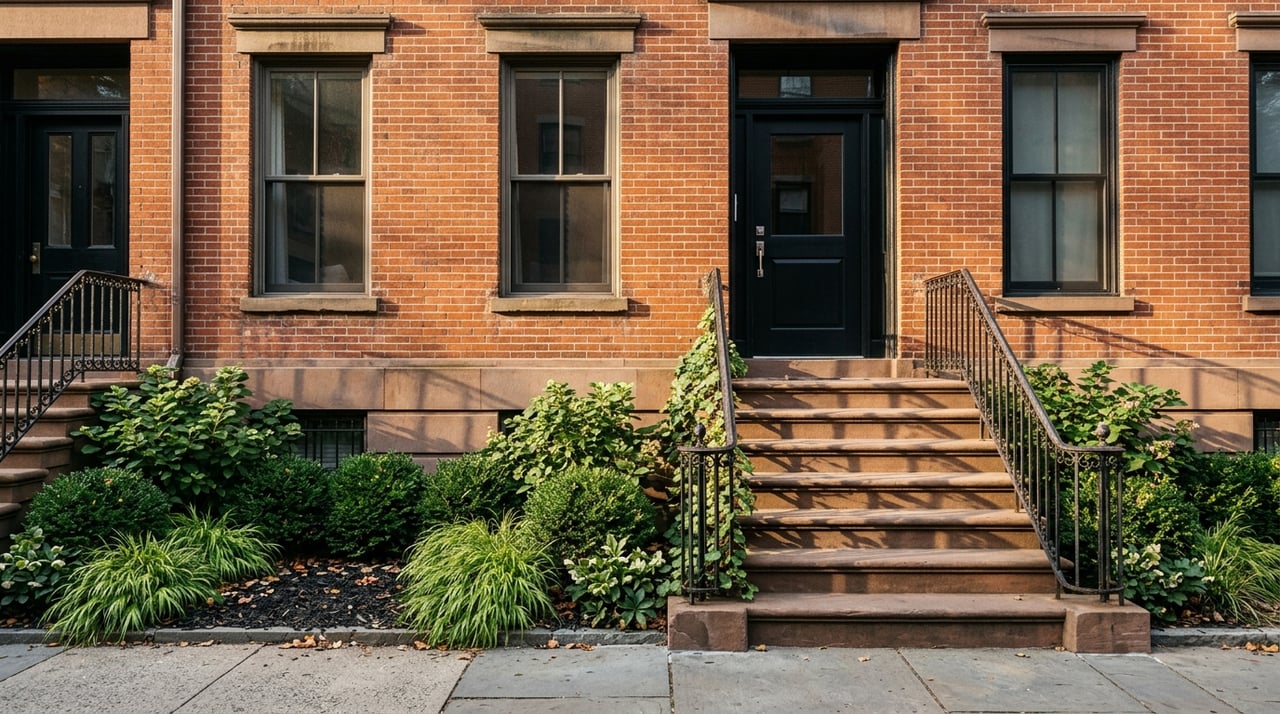
If you plan to sell a Brooklyn townhouse, preparation can shape your result as much as the listing date itself. In this market, buyers are not just comparing square footage or finishes. They are comparing your home’s condition, paperwork, and pricing against very specific block-by-block alternatives. The good news is that with the right prep, you can reduce uncertainty, present your townhouse more clearly, and put yourself in a stronger position before you ever go live. Let’s dive in.
Start With the Right Brooklyn Comp Set
One of the biggest mistakes townhouse sellers make is relying on broad borough headlines instead of true local comparables. In Q4 2025, Brooklyn’s median sales price was $990,000, but Miller Samuel reported a median of $3.1 million in the brownstone submarket. One-family brownstones reached $3.135 million, two-family brownstones $3.402 million, and three-family brownstones $2.9 million.
That spread tells you something important: property type, condition, and exact location matter a lot. A townhouse on your block may compete more closely with a handful of nearby homes than with the wider Brooklyn market. If you want a defensible pricing strategy, you need recent closed sales that reflect your home’s layout, level of renovation, and legal use.
Active listings can help you understand the competition, but they should not be your main pricing guide. Closed sales show what buyers actually paid. NYC’s ACRIS system and Department of Finance property records can help build a cleaner comp set and confirm transaction history, tax records, and recorded documents.
Price for Today, Not for Hope
Brooklyn remains active, but buyers are still selective. In Q4 2025, inventory stood at 2,550 listings, months of supply was 3.4, and 22.5% of sales involved bidding wars with an average 6% premium over the last asking price. That means strong homes can still attract competition, but not every property will.
The key is to price from evidence, not aspiration. If your townhouse is fully renovated, it may deserve a premium over older housing stock. PropertyShark’s 2025 study found that renovated Brooklyn single- and two-family homes reached a median of $2.95 million, but performance still varied by neighborhood and property type.
In practice, that means your price should reflect what buyers in your immediate micro-market have rewarded recently. A polished, move-in-ready home may justify a sharper number. A house with deferred maintenance, older systems, or permit questions usually needs a more cautious strategy.
Plan Early for a Spring Launch
If you are six to eighteen months away from selling, timing matters. StreetEasy’s 2026 NYC market analysis found that buyers had the most available listings in May, inventory usually started to decline after Memorial Day, and a smaller rebound often appeared in September and October.
For townhouse sellers in Northwest Brooklyn and North Brooklyn, StreetEasy also found that homes listed in the second half of the year typically spent longer on the market than homes listed in the first half. That pattern supports a spring-focused preparation schedule instead of a rushed listing plan.
A smart timeline gives you room to make decisions without pressure. You can sort through repairs, gather documents, address permit issues, and stage thoughtfully. That kind of pacing often produces a more polished launch and fewer surprises once buyers start asking hard questions.
Fix What Buyers and Attorneys Will Find
Before you spend money on styling, handle the issues that could interfere with a sale. NYC DOB states that open violations are public, can prevent an owner from selling or refinancing, and can block a new or amended Certificate of Occupancy or Letter of Completion until resolved.
For many Brooklyn townhouses, especially older brownstones, this step is critical. DOB also states that buildings built before 1938 are not required to have a Certificate of Occupancy unless later alterations changed use, egress, or occupancy. Even so, you should confirm whether your property has a current Certificate of Occupancy, or whether a Letter of No Objection is the more relevant document.
This is not just an administrative detail. Buyers often want to know whether prior work was legal, permitted, and signed off. If you can answer those questions early, you lower the risk of renegotiation later.
Check Historic District and Permit History
Many townhouse owners overlook how much historic district status can affect a sale. LPC’s Brooklyn historic district maps include areas such as Brooklyn Heights, Fort Greene, and Park Slope, and LPC states that most exterior changes, plus interior work requiring a DOB permit, need LPC review and approval in advance.
If your townhouse sits in an LPC-regulated district, confirm whether past work received the proper approvals. That includes exterior doors, windows, facades, rear additions, and other alterations that may have required review. If paperwork is incomplete, it is better to identify that before listing than during due diligence.
This is one reason process matters so much in townhouse sales. A beautiful home can still face friction if the file behind it is messy. Clear permit and sign-off history helps your property read as well-managed and lower risk.
Prioritize Visible Improvements
Not every pre-sale improvement delivers the same return. The research suggests the most defensible upgrades are often the ones buyers notice right away in photos and first impressions. That is especially true in a category like Brooklyn townhouses, where emotional response and perceived upkeep carry real weight.
Instead of a generic renovation checklist, compare your home to the local comp set. Separate fully renovated houses from partially updated or untouched homes. Then focus on improvements that strengthen how your home competes visually and functionally within that exact group.
In many cases, this means investing in:
- Deep decluttering
- Whole-home cleaning
- Paint touch-ups where needed
- Minor repairs buyers will notice quickly
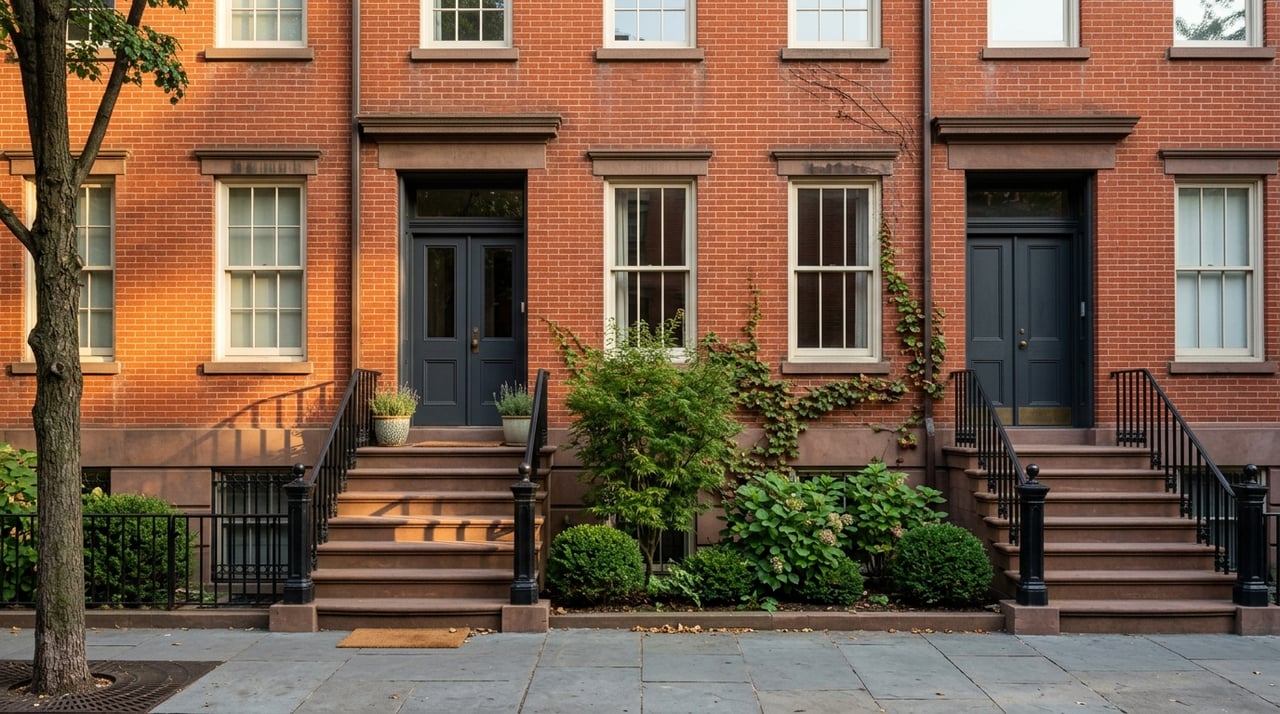
- Improved curb appeal at the stoop, entry, and garden frontage
- Better presentation of the parlor floor, kitchen, and primary bedroom
If your systems, permits, or disclosures need attention, those items should usually come before cosmetic extras. The goal is not to overspend. The goal is to spend where buyers will feel the difference and where the market is likely to recognize the value.
Stage the Rooms That Matter Most
Staging works best when it is strategic. According to the 2025 Profile of Home Staging, 83% of buyers’ agents said staging made it easier for buyers to visualize a home, and 19% of sellers’ agents said staging increased the dollar value offered by 1% to 5%.
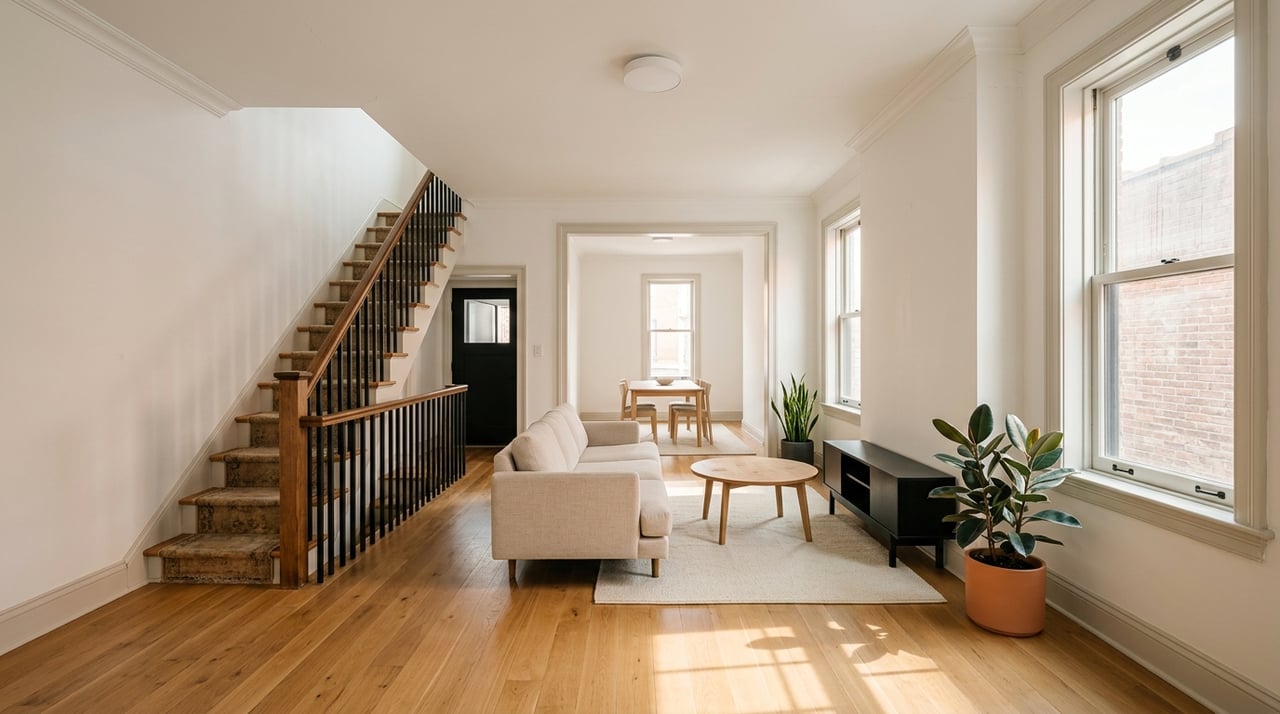
For Brooklyn townhouses, the highest-impact zones are usually the entrance sequence, parlor floor living room, kitchen, dining area, and primary bedroom. These spaces shape the buyer’s first impression and often anchor the photo set. If your budget is limited, concentrate there first.
The same report noted that the median staging service cost reported by sellers’ agents was $1,500. That does not mean every house needs full-service staging, but it does suggest that thoughtful presentation can be a practical part of a preparation budget.
Treat Photography as Part of Pricing
Professional photography is not a finishing touch. It is part of how buyers decide whether your asking price feels justified. The 2025 home staging research found that buyers’ agents rated photos, traditional staging, video tours, and virtual tours as highly important.
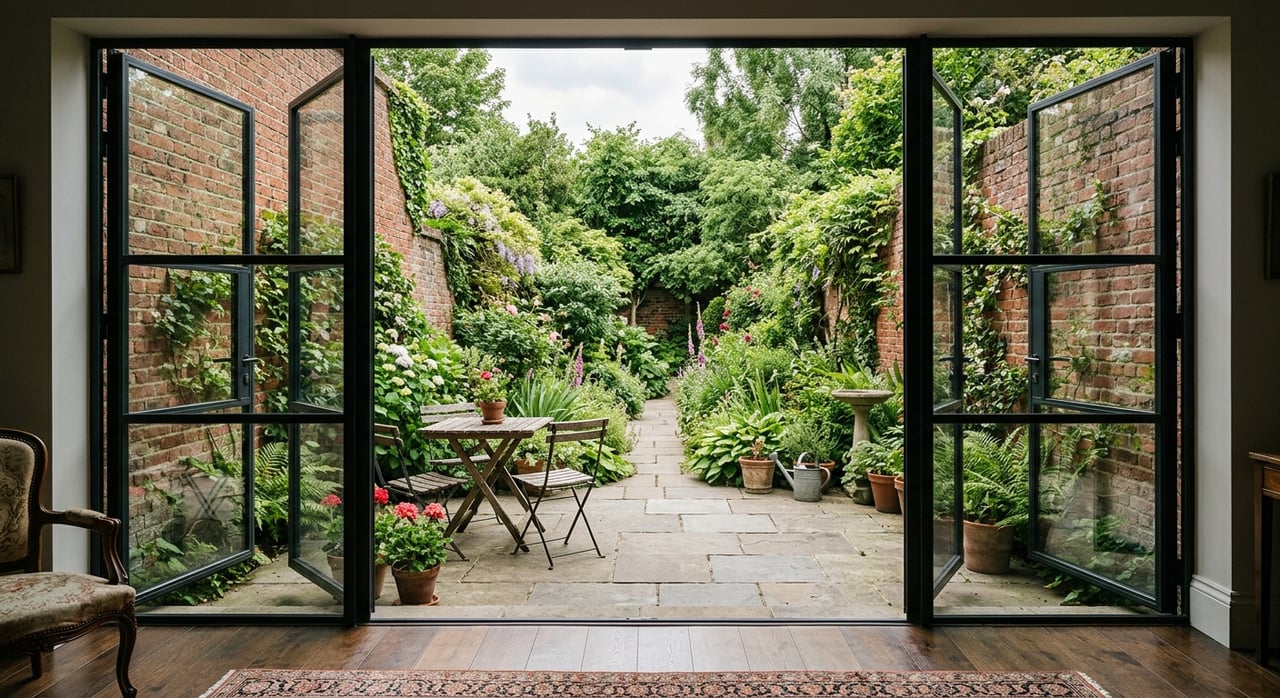
That matters even more in a townhouse sale, where layout, light, ceiling height, garden access, facade character, and floor flow all influence buyer perception. Clear, well-composed visuals help buyers understand the home before they walk in. Better understanding usually leads to stronger interest and more productive showings.
If you have spent time and money preparing the property, make sure the listing media captures that work. Otherwise, you may undercut your own launch.
Build a Clean Document Package
A strong townhouse listing is not just attractive. It is easy to diligence. Buyers commonly want to know what work was done, whether it was permitted and signed off, and whether there are environmental or historic district constraints that could affect the property after closing.
A useful pre-listing document package often includes:
- ACRIS records
- Permit and sign-off history
- Certificate of Occupancy or Letter of No Objection documentation, if applicable
- Recent tax records
- Lead-related disclosures for pre-1978 homes, if applicable
- Oil tank or environmental paperwork, if applicable
For pre-1978 townhouses, federal lead-based paint disclosure rules apply. Starting July 1, 2025, New York State also requires the current Property Condition Disclosure Statement form, which is based on the seller’s actual knowledge rather than a warranty.
If the property has an older heating system or any buried oil tank, New York State DEC advises addressing that early because buyers and lenders often ask for environmental assessment or tank removal during a sale. These items can affect timing, negotiation, and buyer confidence, so they are better handled before your listing is active.
Think Like a Buyer Before You List
The strongest prep plans are usually incremental, not flashy. You do not need to do everything. You need to do the right things in the right order.
Start by understanding how your townhouse fits into the local comp set. Then remove legal, permit, and disclosure uncertainty. After that, spend intentionally on presentation, staging, and media that help buyers picture the home as move-in ready.
In a market where condition and documentation are part of valuation itself, preparation is not separate from pricing. It is pricing. And when the process is handled with discipline, you give yourself a better chance of attracting serious buyers and protecting your leverage once offers arrive.
If you are thinking about selling a Brooklyn townhouse and want a more disciplined prep and pricing strategy, Steven Segretta offers a complimentary, no-pressure market consultation.
FAQs
What is the best time to list a Brooklyn townhouse for sale?
- StreetEasy’s 2026 NYC market analysis found that buyers had the most available listings in May, with inventory typically declining after Memorial Day and a smaller rebound in September and October. For many Brooklyn townhouse sellers, that supports preparing early for a spring launch.
How should you price a Brooklyn townhouse before listing?
- You should rely mainly on recent closed sales, not just active listings, and compare homes by property type, condition, and immediate location. In Brooklyn brownstone areas, value can vary widely between one-family, two-family, and three-family homes.
What documents should you gather before selling a Brooklyn townhouse?
- A strong pre-listing package often includes ACRIS records, permit and sign-off history, Certificate of Occupancy or Letter of No Objection documentation if applicable, recent tax records, lead-related disclosures if applicable, and any oil tank or environmental paperwork if relevant.
What repairs matter most before selling a Brooklyn townhouse?
- The most important issues are often the ones that could show up in a title search, inspection, or permit review, such as open DOB violations or unresolved permit questions. After that, visible improvements like decluttering, cleaning, and curb appeal can help strengthen first impressions.
Does staging help when selling a Brooklyn townhouse?
- Yes. The 2025 Profile of Home Staging found that 83% of buyers’ agents said staging made it easier for buyers to visualize a home, and 19% of sellers’ agents said staging increased the dollar value offered by 1% to 5%.
What should sellers know about historic districts and Brooklyn townhouses?
- If your townhouse is in an LPC-regulated historic district, many exterior changes and some interior work that required a DOB permit may also have needed LPC review and approval. Sellers should confirm that prior work was properly documented before going to market.