Ever wonder why a Brooklyn brownstone block feels so different from almost anywhere else in the city? It is not just the architecture. It is the rhythm of the stoop, the quieter side street, the short walk to a neighborhood retail corridor, and the sense that your block is both private and deeply connected to city life. If you are considering a townhouse or simply trying to picture daily life on one of these streets, this guide will help you understand what living on a Brooklyn brownstone block really tends to feel like. Let’s dive in.
What defines a brownstone block
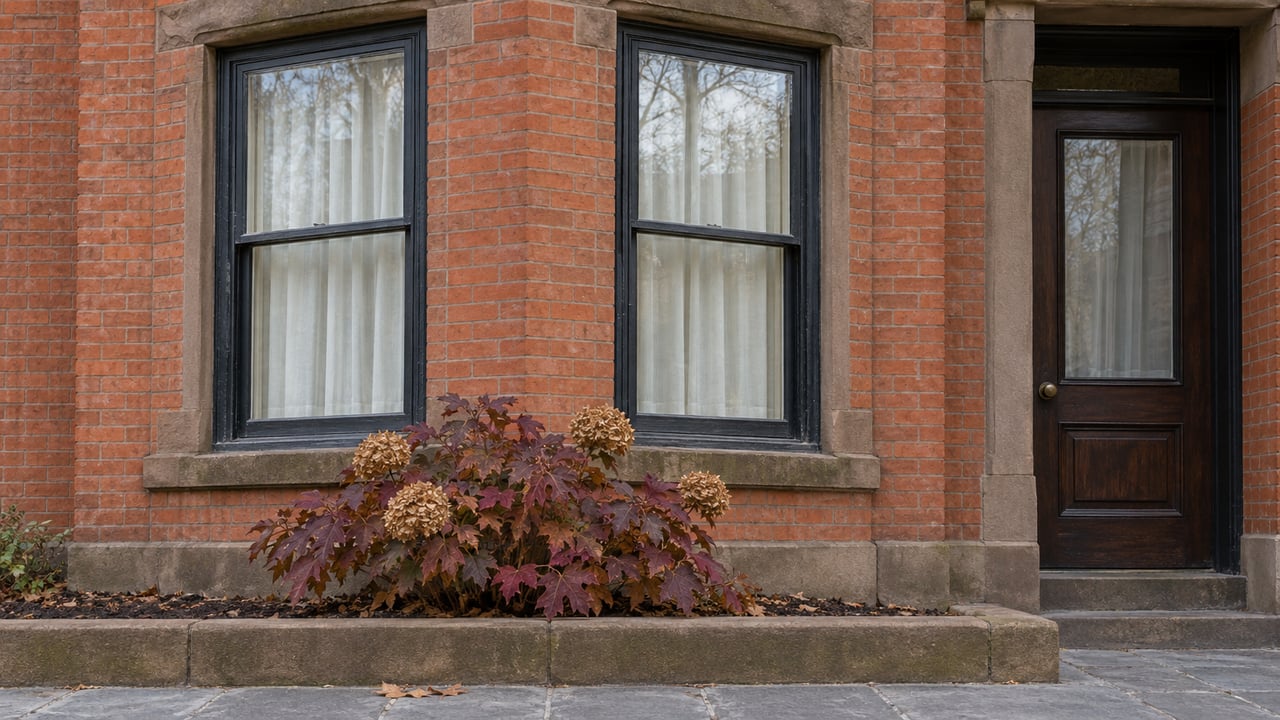
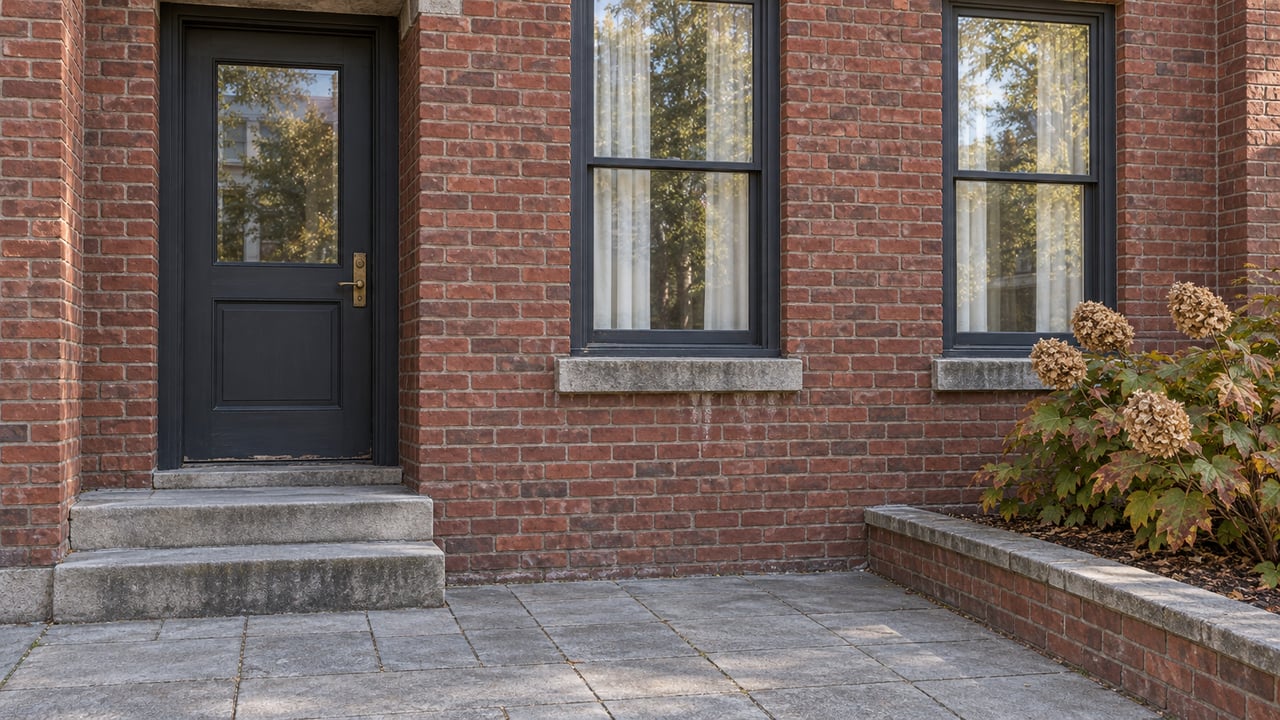
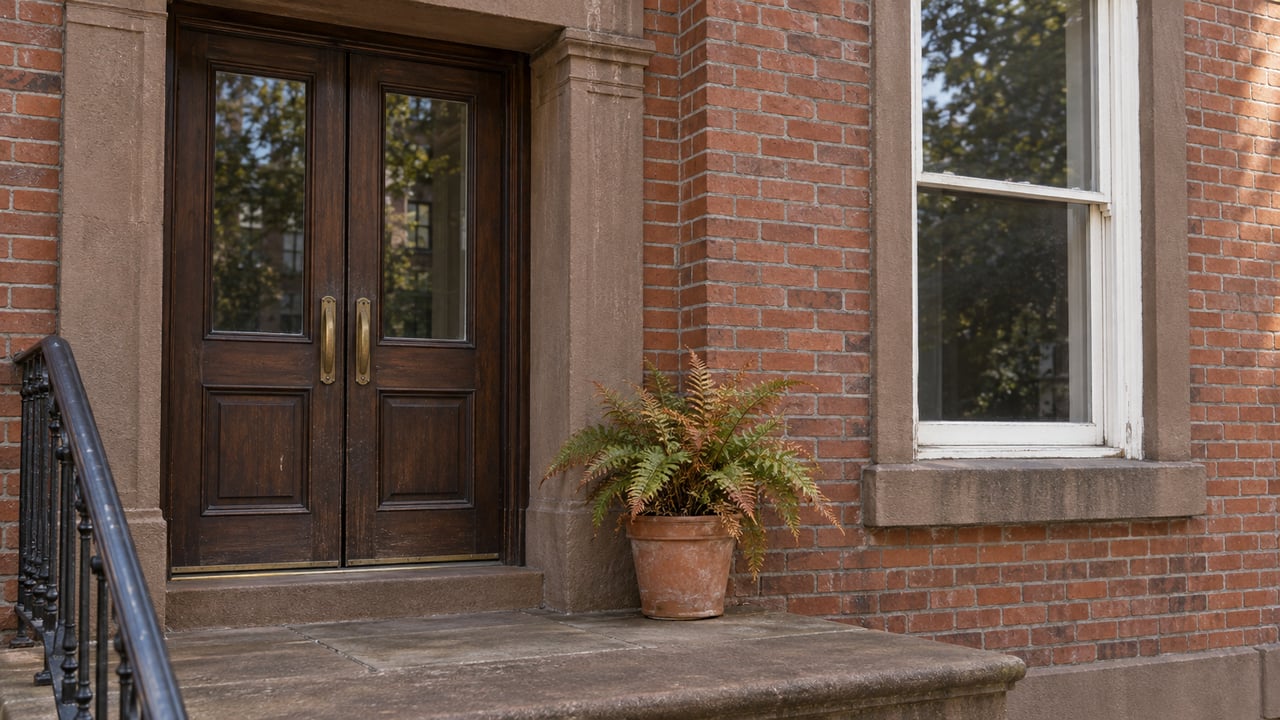
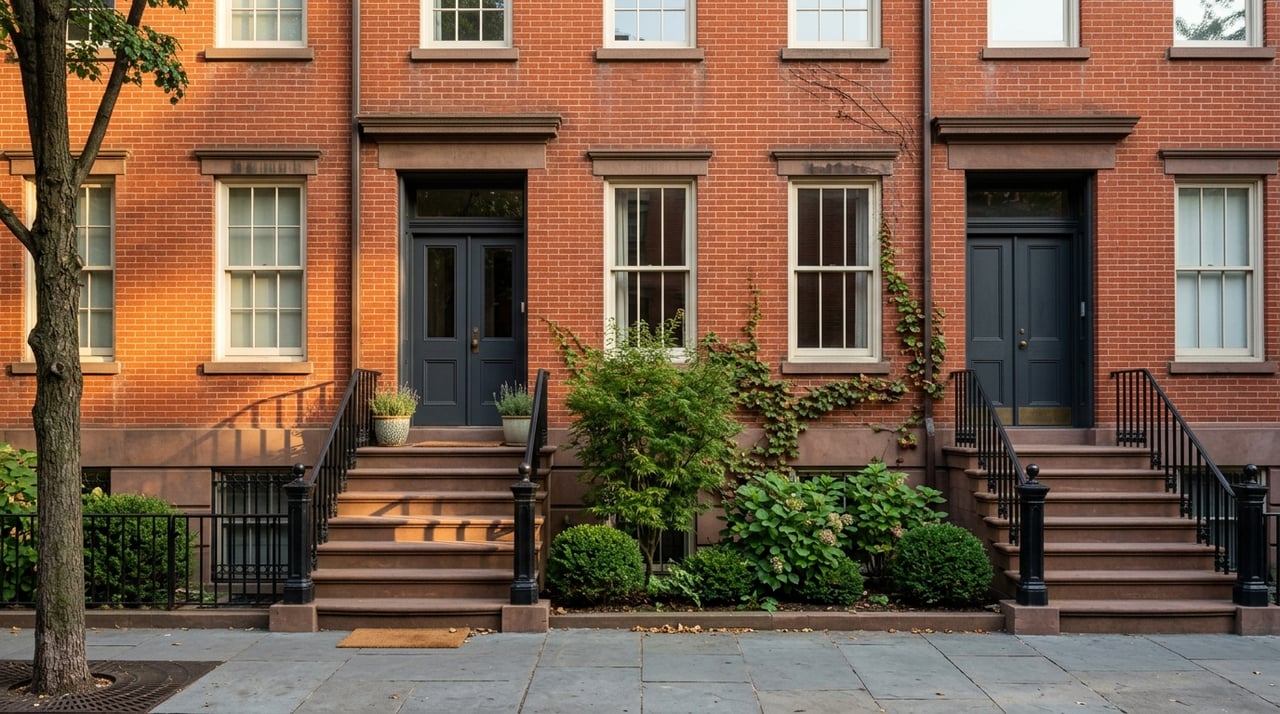
A Brooklyn brownstone block is typically a rowhouse street. The Landmarks Preservation Commission defines a rowhouse as an unbroken line of attached houses that share party walls, and the classic New York version is usually three to five stories over a basement, with a stoop leading to the parlor floor, double-hung windows, and a roof cornice.
In Brooklyn, the look is often more varied than the word “brownstone” suggests. Many blocks mix brick and brownstone facades, which gives the streetscape texture without losing that unified rowhouse feel. You notice repeated doorways, aligned cornices, and a strong streetwall that makes the block feel coherent and easy to read.
Why the street feels so personal
One reason brownstone living stands out is how close the house feels to the sidewalk. The stoop creates a transition between public and private space, so your front door is part of the street scene without being fully exposed to it. That in-between zone is a big part of the block’s identity.
On many blocks, you also get details that soften the urban setting. Depending on the neighborhood, that may mean tree-lined sidewalks, stone paving, areaways, or small front gardens. In Carroll Gardens, many east-west streets have 30-foot front yards, which creates a more set-back, garden-forward feeling than the tighter stoop-to-sidewalk pattern you see elsewhere.
The daily rhythm outside your door
Brownstone blocks often feel calmer than the nearby avenues, but they are never disconnected from city life. You are living on a residential side street that still participates in the full cadence of New York, from morning deliveries to trash and recycling pickup to alternate-side parking routines.
That balance is part of the appeal. The side streets usually read as quieter and more residential, while the avenues carry more of the commercial energy. In Brooklyn Heights, for example, the city’s Slow Zone program was designed to reduce cut-through traffic and traffic noise in small residential areas with low traffic volumes.
Parking is often part of the weekly routine as well. In Park Slope, a city study found on-street parking remained at 98% occupancy during an alternate-side parking suspension study, which gives you a good sense of how competitive curb space can be. Street cleaning rules also matter because alternate-side parking applies to the full length of the block for the full posted time.
Parks shape everyday life
A big part of brownstone-block living is proximity to meaningful open space. In Brooklyn, that often means you are not just near a small square or playground. You are also within reach of some of the borough’s signature parks.
Prospect Park is a major anchor for many brownstone neighborhoods. It spans 585 acres, includes seven playgrounds, and features nearly 150 acres of woodlands and scenic waterways in the Ravine. If you live near Park Slope or surrounding brownstone areas, the park becomes part of everyday life, not just an occasional weekend destination.
For brownstone blocks closer to the East River, Brooklyn Bridge Park plays a similar role. The park stretches 1.3 miles along the waterfront and covers 85 acres next to Brooklyn Heights and DUMBO. It offers a very different open-space experience, with the waterfront shaping how you move through the neighborhood.
Some neighborhoods also pair those larger destinations with smaller local parks. Carroll Gardens has Carroll Park, while Brooklyn Heights is close to spaces such as S. Parkes Cadman Plaza Park. In practice, this means your block life often has both neighborhood-scale green space and a larger park nearby.
Errands happen on nearby corridors
Most brownstone blocks are not built around big-box retail. Instead, daily errands usually happen on nearby neighborhood commercial corridors, which helps keep the side streets primarily residential while still making daily life convenient.
In Brooklyn Heights, Montague Street is the designated commercial area in the heart of the neighborhood. In Park Slope, Fifth and Seventh avenues serve as neighborhood commercial corridors. In Carroll Gardens, Smith Street and Court Street play that role, with ground-floor commercial uses and community facilities in a neighborhood that is otherwise largely residential.
This setup shapes how the neighborhood feels. You can step out onto a relatively calm rowhouse block, then walk a few minutes to shops, restaurants, and services. That pattern is a major reason brownstone Brooklyn often feels like an urban village rather than a purely residential enclave or a nonstop commercial district.
How Park Slope feels
Park Slope is one of Brooklyn’s best-known brownstone neighborhoods, and its layout helps explain why. City planning materials describe it as predominantly residential and characterized by late-19th- and early-20th-century rowhouses, with Prospect Park directly to the east.
The neighborhood has a clear internal structure. Fifth and Seventh avenues function as neighborhood commercial corridors, while Third and Fourth avenues carry more mixed-use and auto-oriented frontage. So if you live on a side street in Park Slope, your day often includes a distinct shift between the residential calm of the block and the busier rhythm of the avenues.
How Carroll Gardens feels
Carroll Gardens has a different kind of brownstone atmosphere. It is also predominantly residential, but city planning documents note its 3- to 4-story row houses, some 4- and 5-story apartment buildings, and especially its many 30-foot-deep front yards on east-west blocks.
That extra setback changes the experience in a noticeable way. The neighborhood feels more open and garden-forward, with houses sitting back from the sidewalk rather than rising directly from a stoop line. Daily errands often center on Smith Street and Court Street, and the area is served by the F and G lines at Carroll Street.
How Brooklyn Heights feels
Brooklyn Heights is one of the borough’s classic historic brownstone districts. The Landmarks Preservation Commission describes it as a mostly residential district on an elevated plateau, with business interests grouped around Fulton and Montague Streets.
Architecturally, the neighborhood can feel more formal and layered than a single-style brownstone row. The district includes Federal, Greek Revival, Gothic Revival, and Italianate buildings, along with brick and brownstone houses, carriage houses, and mews. That mix gives some blocks a particularly rich, enclosed streetscape, especially when paired with tree-lined streets and stone sidewalks.
Inside the house feels different too
Living on a brownstone block is not just about the street. The house itself shapes your day in a way that apartment living usually does not. The classic layout is vertical, with a stoop leading to the parlor floor and upper floors stacked above.
That arrangement tends to create a bright, more formal main level at the parlor floor. Lower levels can feel closer to the street or more separated from it, depending on grade and rear yard conditions. The result is a home with a distinct choreography: public-facing front steps, quieter rear rooms, and different uses spread across multiple levels.
It is also worth understanding the lower-level terminology. New York City defines a basement as a floor partly below curb level with at least half its height above curb level, while a cellar is more than half below curb level. That distinction can affect how a lower level feels in everyday use.
Ownership often includes preservation
Brownstone ownership usually comes with a stronger preservation mindset than standard apartment living. In historic districts, exterior work often requires advance review and approval from the Landmarks Preservation Commission.
That means features like windows, stoops, cornices, masonry, and facades are not just architectural details. They are part of the ownership experience. If you are buying a brownstone, it helps to think about the block as both a home setting and a shared historic streetscape.
What surprises many buyers
For many buyers, the biggest surprise is how balanced brownstone-block life feels. It is urban, but not anonymous. It is residential, but not isolated. And it offers a kind of daily predictability that comes from the repeated pattern of rowhouses, nearby retail corridors, and familiar block routines.
The tradeoffs are real too. Parking pressure, street cleaning schedules, and maintenance responsibilities are part of the picture. But for many people, those tradeoffs are exactly what comes with living in one of Brooklyn’s most distinctive residential forms.
Why lifestyle fit matters
If you are considering a townhouse purchase, the right block can matter almost as much as the right house. A block near Prospect Park may support one kind of daily routine, while a block near the waterfront or a local shopping corridor may support another. The architecture may look similar across neighborhoods, but the day-to-day feel can be meaningfully different.
That is why a smart townhouse search should go beyond square footage and finishes. You want to understand the rhythm of the street, the nearby park access, the errand pattern, and the ownership realities that come with historic rowhouse living. Those details are often what determine whether a property feels right long after the closing.
If you are thinking about buying or selling on a Brooklyn brownstone block, working with an advisor who understands both the neighborhood feel and the townhouse details can make the process much more grounded. Steven Segretta offers a complimentary, no-pressure market consultation to help you evaluate lifestyle fit, block context, and property value with clarity.
FAQs
What is a Brooklyn brownstone block?
- A Brooklyn brownstone block is usually a rowhouse street with attached houses sharing party walls, often three to five stories over a basement, with stoops, aligned facades, and a strong residential streetscape.
What does daily life on a Brooklyn brownstone block feel like?
- Daily life usually feels like a compact urban-village experience, with quieter side streets, nearby retail corridors, access to major parks, and a weekly rhythm shaped by deliveries, street cleaning, and parking routines.
What makes Carroll Gardens brownstone blocks different?
- Carroll Gardens stands out because many east-west blocks have 30-foot front yards, which creates a more open, garden-forward feel than the tighter stoop-to-sidewalk pattern found on many other Brooklyn brownstone blocks.
What makes Brooklyn Heights brownstone blocks distinct?
- Brooklyn Heights is known for tree-lined streets, stone sidewalks, stately brick and brownstone houses, and a layered architectural mix that includes Federal, Greek Revival, Gothic Revival, and Italianate buildings.
What should townhouse buyers know about Brooklyn brownstone homes?
- Townhouse buyers should understand the vertical layout, the role of the stoop and parlor floor, the difference between a basement and a cellar, and the fact that exterior changes in historic districts may require advance review and approval.
Are Brooklyn brownstone blocks usually near shops and parks?
- Yes. Many brownstone blocks are a short walk from neighborhood commercial corridors like Montague Street, Fifth Avenue, Seventh Avenue, Smith Street, or Court Street, and they often sit within reach of parks such as Prospect Park or Brooklyn Bridge Park.