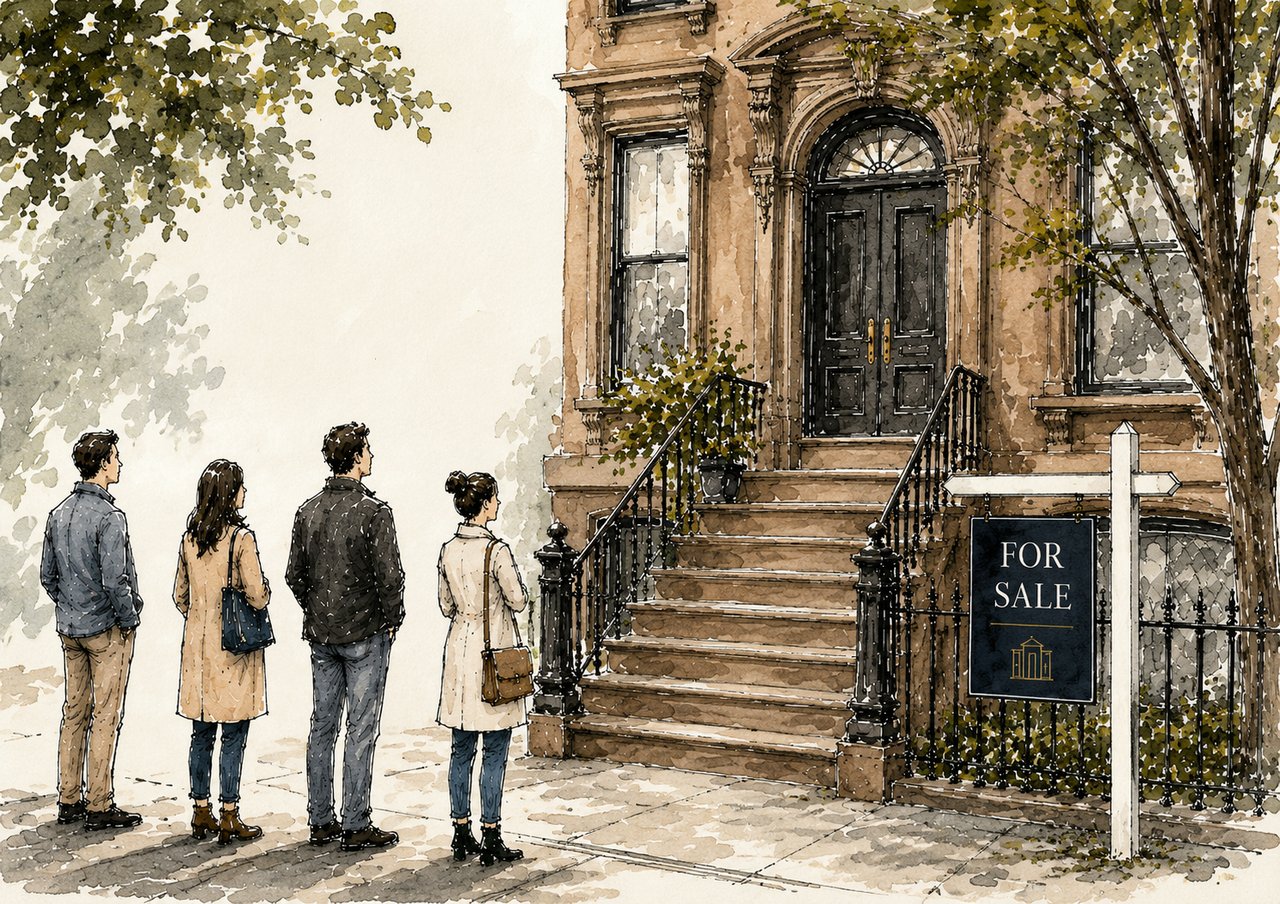
If you love Brooklyn brownstones, you already know one hard truth: not all brownstone neighborhoods live the same way. Two blocks can look equally beautiful on a listing tour, yet feel very different once you factor in parks, transit, housing mix, and renovation rules. This guide will help you compare Brooklyn Heights, Carroll Gardens, Park Slope, and Fort Greene so you can match the right neighborhood to your budget, priorities, and long-term plans. Let’s dive in.
What “Brownstone Brooklyn” Really Means
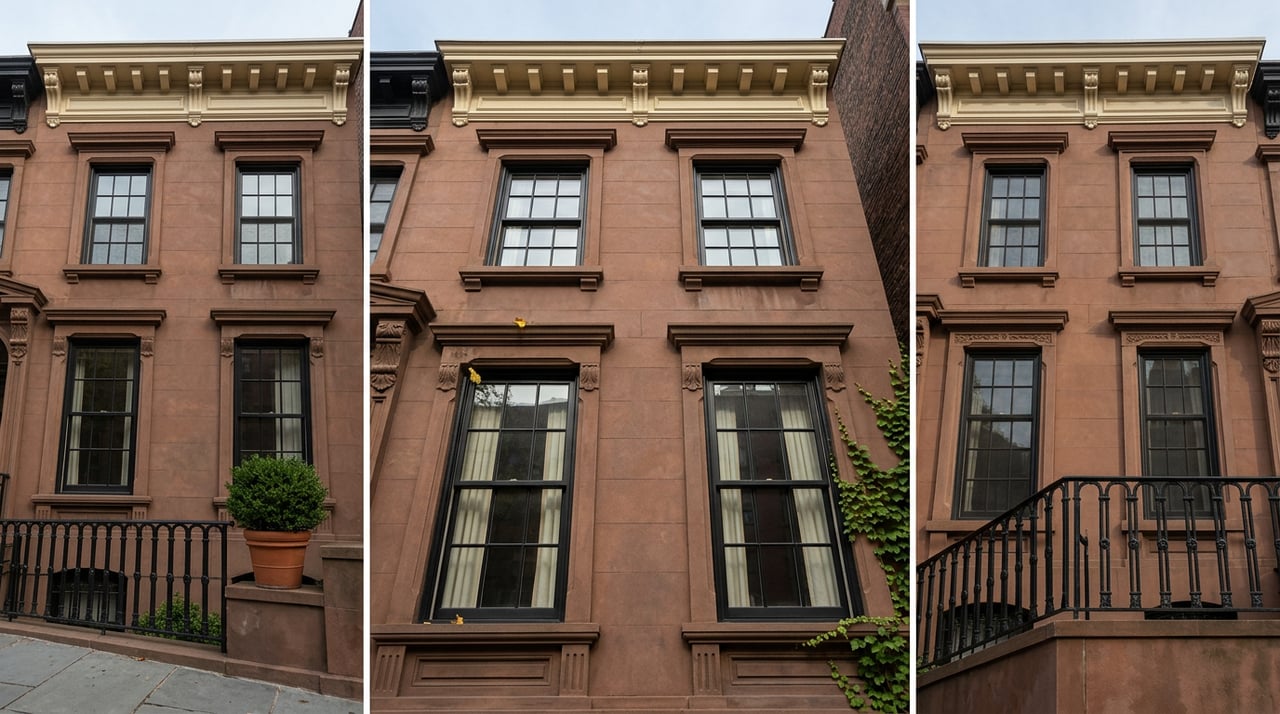
It is easy to use the word “brownstone” as if it describes one single market, but in Brooklyn it covers a wide range of housing types and streetscapes. Across Brooklyn Heights, Carroll Gardens, Park Slope, and Fort Greene, you will find classic rowhouses, but also co-ops, walk-ups, flats buildings, and townhouse conversions.
That matters because neighborhood median prices do not tell you the whole townhouse story. In places like Brooklyn Heights and Carroll Gardens, smaller co-ops and other unit types can pull the overall median away from what a classic brownstone buyer might expect.
Historic District Rules Matter
All four neighborhoods are closely tied to Brooklyn’s 19th-century rowhouse history, and all four have landmarked areas. Brooklyn Heights was designated as a historic district in 1965, Carroll Gardens in 1973, Park Slope in 1973, and Fort Greene in 1978.
If you are thinking about a brownstone purchase, this is more than a preservation detail. In designated historic districts, most exterior alterations, reconstruction, demolition, and new construction generally require Landmarks Preservation Commission review. If your dream home also comes with a dream renovation plan, landmark rules should be part of your underwriting from day one.
Park Slope: Park Access First
Park Slope is the clearest choice if your day-to-day life revolves around green space. Prospect Park shapes the neighborhood experience, and the park includes 585 acres, 30,000 trees, and seven playgrounds.
The housing story is also more layered than the neighborhood’s brownstone reputation suggests. StreetEasy shows a median sale price of $1.7 million and a median base rent of $4,100, but it also notes that brownstones can easily reach $3 million or more, while prewar co-ops and rentals often offer more accessible entry points.
Transit is solid, though your experience depends on where you land within the neighborhood. Park Slope-adjacent F line stops include 4 Av-9 St, 7 Av, and 15 St-Prospect Park, while the R line serves Union St and 4 Av-9 St along the western side. In practice, that means Park Slope works well for many subway riders, but access can feel different on the Prospect Park West side versus the 4th Avenue side.
Who Park Slope Often Fits
Park Slope often appeals to buyers who want brownstone character with Prospect Park as part of their regular routine. If your priority is being near a major park while still having good subway options and a broad range of housing types, it stands out.
It can also suit buyers who want flexibility in how they enter the market. You may be comparing a full townhouse, a co-op, or another prewar option, depending on your budget and goals.
Carroll Gardens: A Smaller-Scale Brownstone Feel
Carroll Gardens has a distinct identity that starts with its block pattern and front gardens. Its historic development created unusually deep front yards, later modified into gardens roughly 25 to 39 feet deep, which gives many blocks a different rhythm from other brownstone neighborhoods.
The neighborhood is also relatively small, and inventory tends to be limited. StreetEasy notes there are more co-ops than condos, and most rentals are in walk-ups rather than large amenity buildings. The current median sale price is $2.3 million, and the median base rent is $4,500.
Architecturally, Carroll Gardens leans toward late-19th-century brownstone-fronted rows and a quieter streetscape. Transit is centered on the F and G lines, with Bergen St, Carroll St, Smith-9 Sts, and 4 Av-9 Sts serving the area, plus nearby R service along the broader 4th Avenue corridor.
Why Buyers Focus on Carroll Gardens
If you want a classic rowhouse setting with a more compact neighborhood feel, Carroll Gardens is often the most intimate version of Brownstone Brooklyn. The scale is one of the biggest draws.
It is also a market where housing mix matters a lot. Because co-ops are a meaningful part of the inventory, you want to separate neighborhood-level pricing from the value of a townhouse or townhouse conversion when you evaluate options.
Brooklyn Heights: Prestige and Waterfront Access
Brooklyn Heights combines historic housing depth, waterfront access, and some of the strongest transit connectivity in the group. StreetEasy shows a median sale price of $1.3 million and a median base rent of $4,500, yet it also describes the neighborhood as one of the most expensive in New York City because its signature townhouses are multi-million-dollar properties.
The lower median reflects the broader housing mix, not a discount brownstone market. The historic district report underscores just how deep the neighborhood’s building stock is, describing 1,284 buildings in the district, with at least 684 built before the Civil War and 1,078 built before 1900.
The amenity picture here is shaped by the Brooklyn Heights Promenade and Brooklyn Bridge Park. Brooklyn Bridge Park spans 85 acres along 1.3 miles of waterfront from Jay Street to Atlantic Avenue, with promenades, lawns, and gardens.
Transit is a major advantage. Nearby service includes Borough Hall with 2, 3, 4, and 5 trains, High St and Jay St-MetroTech on the A line, and Court St and Jay St-MetroTech on the R line, plus access through DeKalb Av and Atlantic Av-Barclays Ctr. If subway flexibility is high on your list, Brooklyn Heights sets a very high bar.
What Makes Brooklyn Heights Distinct
Brooklyn Heights is often the benchmark for buyers who want classic townhouse prestige and strong transportation access in the same place. It offers a rare combination of architectural history and dense connectivity.
For some buyers, the key question is not whether they like the neighborhood. It is whether the housing mix, pricing, and renovation constraints align with their plans.
Fort Greene: Transit Reach and Cultural Energy
Fort Greene offers one of the strongest combinations of brownstone character, park access, and transit reach. StreetEasy shows a median sale price of $1.7 million and a median base rent of $4,500, while also noting that much of the housing stock is brownstones that can command upward of $4 million.
The neighborhood’s open-space anchor is Fort Greene Park. According to NYC Parks, the park covers 30.17 acres and includes basketball courts, playgrounds, tennis courts, and major civic programming.
Transit access is especially broad. The G line serves Fulton St at Fort Greene Place, the A/C/F/R lines meet at Jay St-MetroTech, and Atlantic Av-Barclays Ctr adds B, D, N, Q, R, 2, 3, 4, and 5 service. The MTA also notes that Atlantic Terminal sits across the street from Barclays Center.
Where Fort Greene Stands Out
Fort Greene often fits buyers who want brownstones but do not want to give up urban connectivity. Among these four neighborhoods, it can feel the most networked.
It also appeals to buyers who want a neighborhood where park access and cultural activity exist alongside strong transit options. That combination can be hard to duplicate elsewhere.
Comparing Price Data the Right Way
Current median sale prices across these neighborhoods range from about $1.3 million to $2.3 million. But if you are brownstone shopping, it is important not to treat those numbers as a simple ranking of townhouse value.
A neighborhood median reflects the mix of homes trading there, not just the price of classic rowhouses. Brooklyn Heights and Carroll Gardens in particular have enough co-ops or smaller units to shift the overall number, while Park Slope and Fort Greene still show brownstones trading at a premium above neighborhood-wide medians.
For serious buyers, the better approach is to treat median data as a market snapshot, then separate it from townhouse-specific value. That is where disciplined comparison becomes more useful than broad averages.
How to Choose the Right Fit
The practical choice usually comes down to tradeoffs, not winners and losers. Each neighborhood offers a different version of brownstone living.
- Choose Park Slope if your top priority is easy access to a major park and a residential setting shaped by Prospect Park.
- Choose Carroll Gardens if you are drawn to smaller-scale blocks, deep front gardens, and a compact rowhouse feel.
- Choose Brooklyn Heights if you want historic prestige, waterfront access, and especially dense subway options.
- Choose Fort Greene if transit flexibility and a more downtown-adjacent cultural mix matter most.
What Brownstone Buyers Should Watch Closely
Beyond price, renovation and property type should stay front and center. In landmarked areas, exterior work may require review, which can affect both cost and timeline.
You should also look carefully at what you are actually comparing. A classic single-family townhouse, a multi-family brownstone, a co-op in a smaller building, and a townhouse conversion can all sit inside the same neighborhood stats while offering very different ownership experiences.
That is why neighborhood fit should be paired with property-level analysis. The right decision is usually the one where lifestyle, housing type, and financial logic line up together.
If you are weighing Brooklyn’s signature brownstone neighborhoods, a clear comparison can save you time and costly false starts. Steven Segretta offers a high-touch, data-driven approach to evaluating townhouses, co-ops, condos, and investment opportunities across Brownstone Brooklyn, so you can move forward with confidence.
FAQs
Which Brooklyn brownstone neighborhood has the best subway access?
- Brooklyn Heights and Fort Greene appear to have the densest subway access based on nearby station clusters and multi-line connections.
Which Brooklyn brownstone neighborhood is most park-oriented?
- Park Slope is the clearest park-first option because Prospect Park is the neighborhood’s defining amenity.
Which Brooklyn neighborhood has the most intimate brownstone feel?
- Carroll Gardens is often seen as the most compact and intimate, thanks to its smaller scale and distinctive deep front gardens.
Are all Brooklyn brownstone neighborhoods made up only of townhouses?
- No. These neighborhoods also include co-ops, walk-ups, flats buildings, and townhouse conversions, which can affect median pricing.
What should buyers know about renovating in Brooklyn historic districts?
- In designated historic districts, most exterior alterations, reconstruction, demolition, and new construction generally require Landmarks Preservation Commission review.