Two brownstone blocks can sit a minute apart yet feel like different worlds. If you are weighing schools, park access, and long-term value, those differences matter. The good news is you can read a block like a pro with a simple framework. In this guide, you will learn what really changes from block to block, how it impacts price and daily life, and a step-by-step checklist to compare streets with clarity. Let’s dive in.
What a “brownstone block” really means
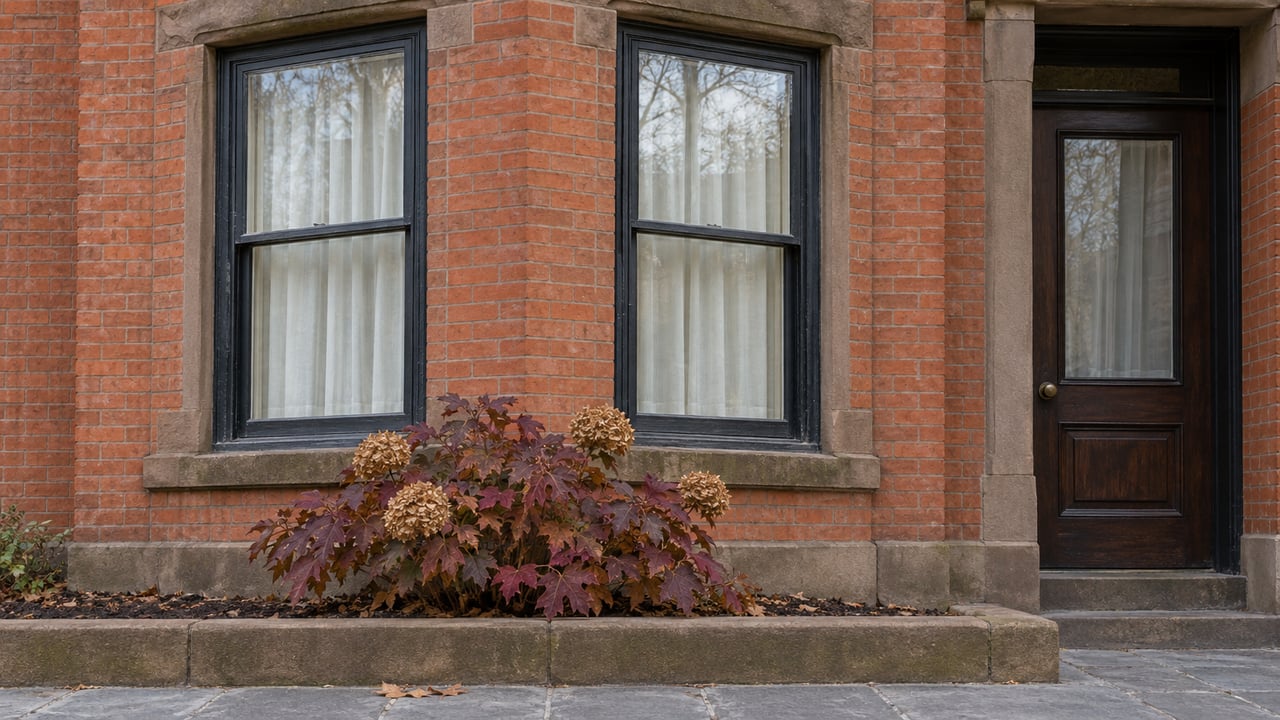
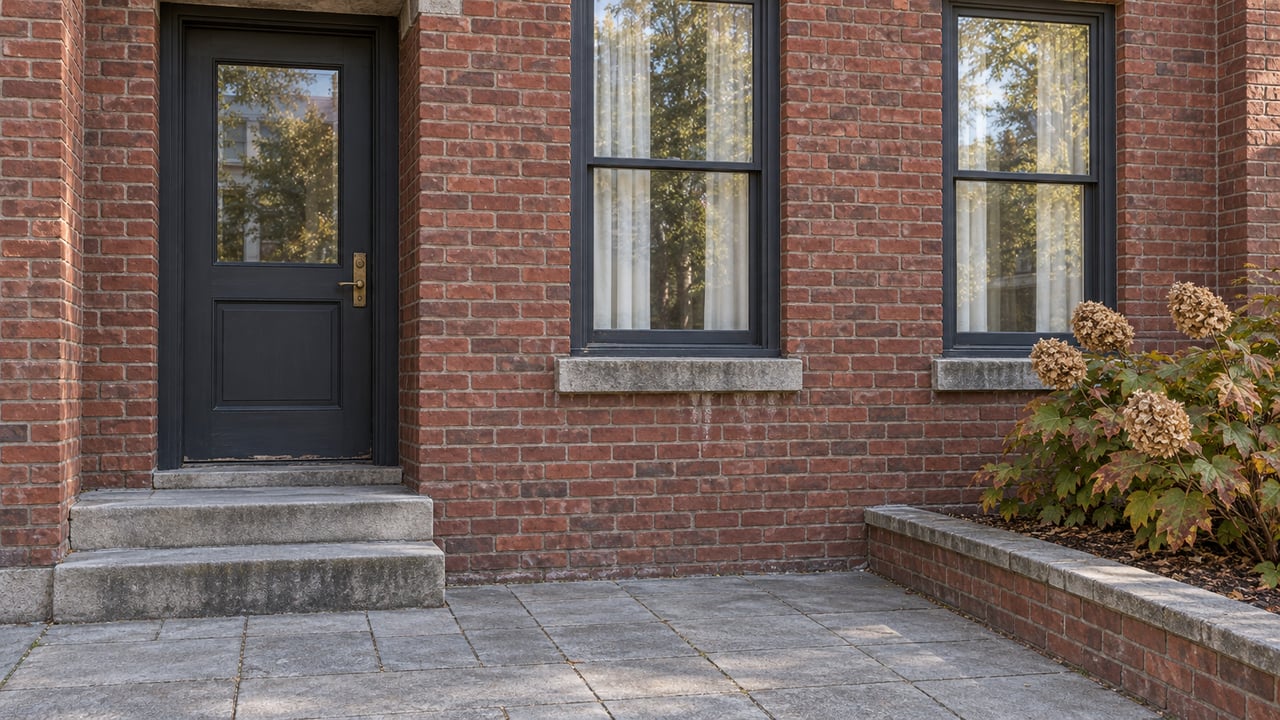
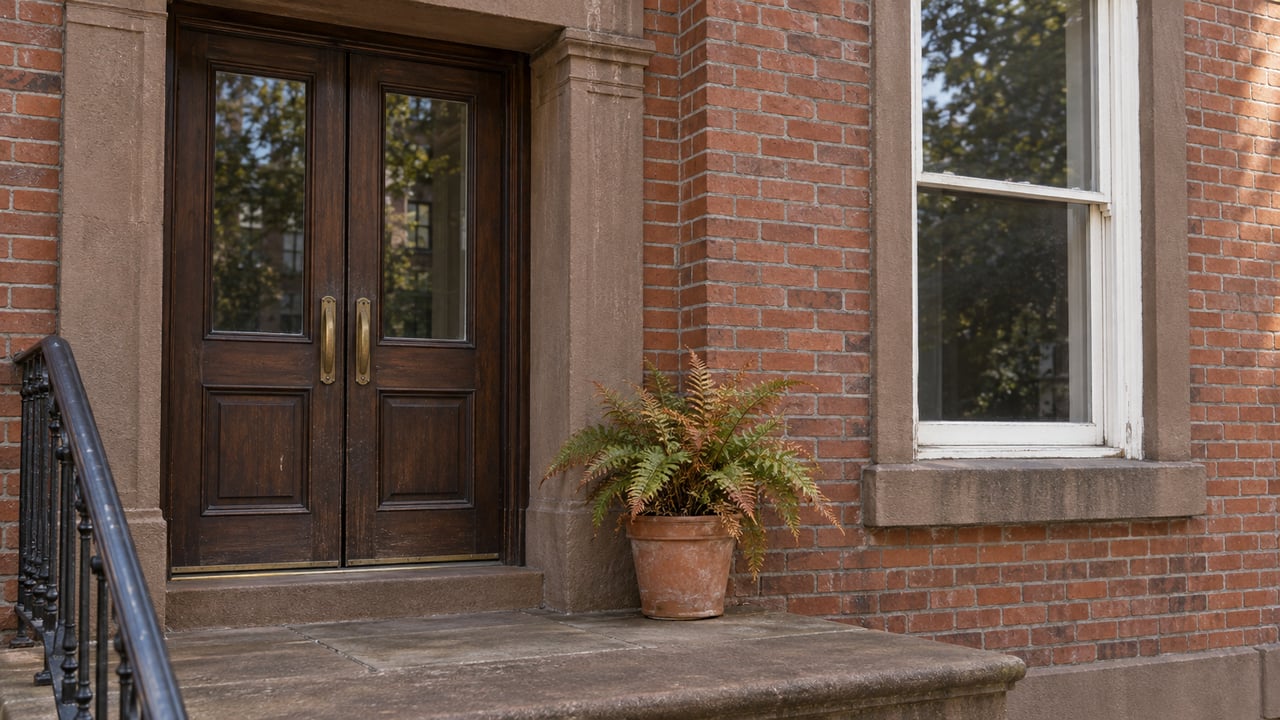
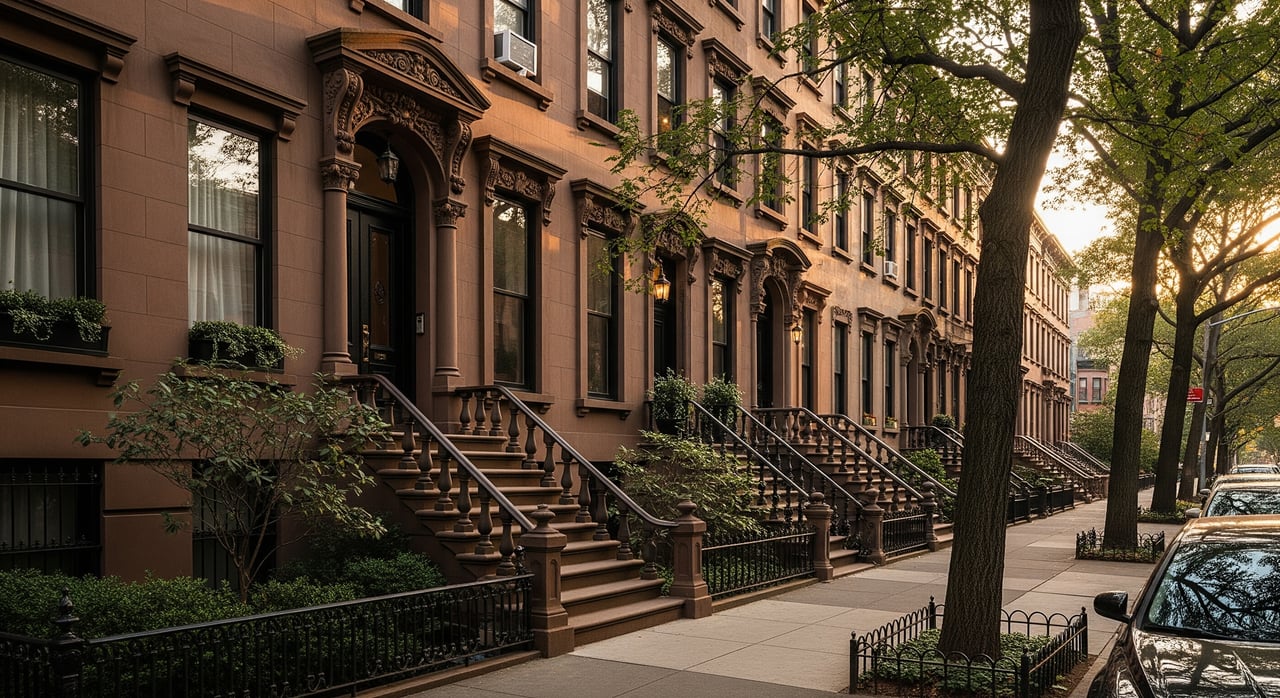
A brownstone is a narrow, masonry townhouse, often faced in brownstone stone, built mostly in the mid to late 1800s. Many have parlor-floor layouts, high ceilings, and stoops. Blocks are short stretches between intersections, and in Brooklyn a single block can differ sharply from the next in architecture, rules, and amenities.
If you love stoops, tree-lined streets, and historic detail, you will find pockets of Italianate, Neo-Grec, Romanesque Revival, and Renaissance Revival across Brownstone Brooklyn. Within historic districts like Brooklyn Heights, Park Slope, and parts of Carroll Gardens, exterior work often needs review by the NYC Landmarks Preservation Commission, which helps preserve character while adding steps to renovations.
Why one brownstone block can feel different
Architecture and lot form
Some blocks have wider lots, taller ceiling heights, and intact stoops. Others mix walk-ups with multi-family buildings. The layout affects how easily you can create private bedrooms on upper floors, add a kids’ playroom, or install an internal stair. Consistency of façades and cornice lines also shapes the look and resale appeal.
Zoning and landmark rules
Zoning can change at the corner. A shift from R6B to R7A can alter the allowed floor area and what type of rear or rooftop addition is possible. Use the NYC ZoLa map to see zoning, lot data, and overlays. In historic districts, exterior changes may require LPC approvals. This protects the street’s character and can influence cost and timing if you plan to expand.
School catchments and admissions
Elementary school zones are block specific. Being on one side of a street can place you in a different attendance zone than the homes across it. Many families factor that into buying decisions. Confirm your zoned options with the NYC DOE School Finder and review school snapshots before you make an offer.
Parks and green access
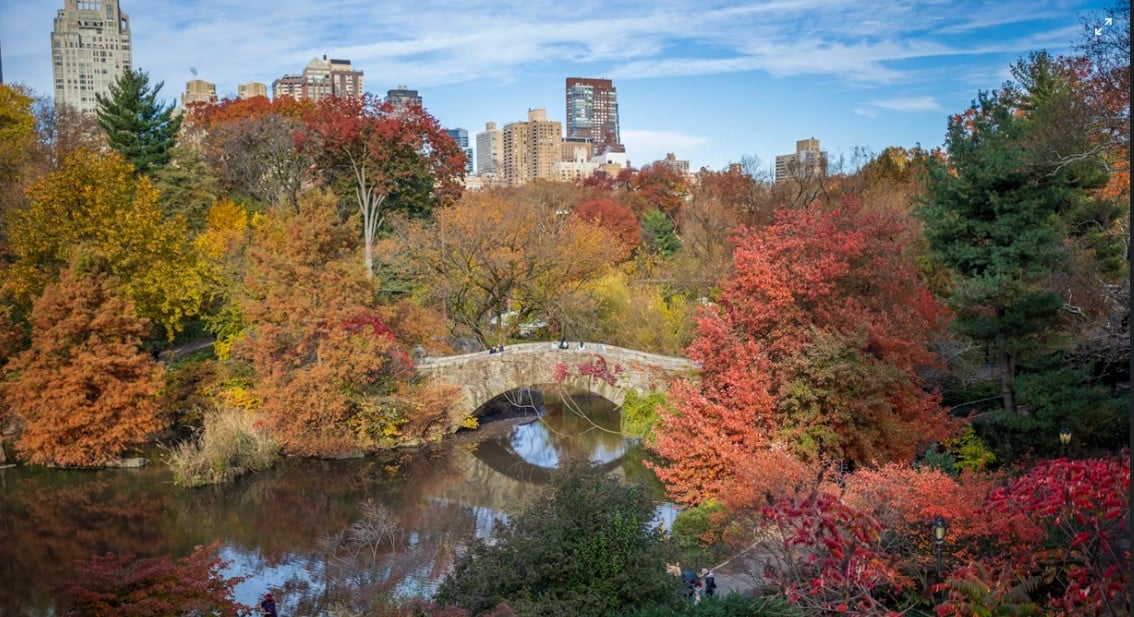
Blocks that directly meet Prospect Park or pocket parks often carry a premium for daily playtime and weekend routines. That said, being right by a busy park entrance can add noise during peak hours. Check the exact walk and amenities using NYC Parks pages for local parks.
Transit and street feel
The distance to a subway entrance can change your commute by several minutes. A block set back from a busy avenue may feel calmer but less convenient. Wide avenues, bike lanes, loading zones, and bus routes all shape noise and curbside activity. Use the MTA subway map to gauge access.
Stores and services nearby
Proximity to café and retail corridors brings convenience and foot traffic. Think quick errands, pediatricians, and after-school activities within a five-minute walk. The tradeoff is evening activity and delivery noise on certain corners.
Safety and lighting
Perception shifts at night. Street lighting, corner activity, and pedestrian flow make some blocks feel busier than others. Review broader trends on NYPD CompStat and pair that with your own day and evening visits.
Environmental and resiliency factors
Some waterfront or low-lying areas carry flood risk, which can affect insurance, location of mechanicals, and renovation plans. Check your specific block and lot on the FEMA Flood Map Service Center to understand risk and mitigation needs.
Market microdynamics
Pricing reflects a blend of all the factors above. Blocks with coherent architecture, strong school zoning, and quick access to parks often sell faster. Mixed-use blocks or those with more restrictions can see different pricing and time to contract. Look at recent sales on the same street and verify facts before drawing conclusions.
Your on-the-ground block checklist
Use this simple, printable list during street visits.
- Architectural look: Are stoops intact and façades consistent, or are there many alterations?
- Trees and sidewalks: Is there a mature canopy and enough width for strollers?
- Traffic flow: Avenue or side street, bike lane presence, and delivery activity at different times.
- Noise and light: Visit again after dinner to check evening noise and lighting.
- Everyday amenities within 5 minutes: Playground, small grocery, pharmacy, and healthcare.
- Building condition signs: Cracked brownstone, sagging stoops, aging windows, or fresh repairs.
What to verify online before you bid
Save hours by pulling these items early.
- Zoning and lot data: Confirm district, FAR, and overlays on NYC ZoLa.
- Landmark status: Check historic district maps and designation reports at the LPC.
- Permits and violations: Review the DOB Buildings Information System for CO, open violations, and prior work.
- Deed and sale history: Verify ownership and past transfers on ACRIS.
- School zoning: Confirm attendance zones with the DOE School Finder.
- Flood and hazards: Review your lot on the FEMA Flood Map.
Renovation and expansion potential
If you plan to add a bedroom, extend the kitchen, or restore a façade, check feasibility up front.
- Legal unit count: Make sure the Certificate of Occupancy aligns with how the house is used. Illegal conversions can complicate financing.
- Zoning envelope: Use ZoLa to see if a rear extension is within allowed FAR and setbacks.
- Landmark review: Exterior work in historic districts often needs LPC approval. Expect added time for design and review.
- Mechanical systems: If there is flood exposure, consider the cost of elevating utilities and protecting the cellar level.
Key takeaway: A block that permits a by-right rear extension or an extra bath can be worth more to you than one with tight limits.
A quick scorecard for each block
Give each item a simple rating and compare.
- Schools and proximity: High, Medium, Low
- Parks and playgrounds within 5 minutes: High, Medium, Low
- Landmark status impact: Protective, Neutral, Restrictive
- Renovation feasibility: Easy, Moderate, Difficult
- Noise and traffic level: Low, Moderate, High
- Market liquidity and pricing: Strong premium, Average, Discounted
- Flood or resiliency risk: None, Moderate, High
Two quick vignettes to illustrate
- Park-adjacent side street: Intact stoops, consistent façades, landmarked. Zoned for a sought-after elementary, minutes to a playground, and a short walk to the subway. Expect a premium price and faster sales, with more review steps for exterior work.
- Mixed-use avenue stretch: A few ground-floor commercial spaces, recent façade alterations, and wider lanes with a bus route. Closer to café and retail life, but more evening noise. Pricing may be more varied, and renovation options can depend on zoning.
Ready to compare blocks with confidence?
You do not need to guess. With zoning and landmark checks, a quick school confirmation, and a clear street-level visit, you can price lifestyle fit and future potential on equal footing. If you want a disciplined, block-by-block plan and underwriting that matches your goals, connect with Steven Segretta for a complimentary, no-pressure market consultation.
FAQs
Why do adjacent Brooklyn brownstone blocks vary so much in price?
- Prices reflect a mix of zoning, school zones, park proximity, landmark status, lot sizes, and legal use. Small shifts at the corner can change value and time to contract.
How do I confirm if a block is landmarked in Brooklyn Heights or Park Slope?
- Check historic district maps and reports on the NYC Landmarks Preservation Commission website and plan for approvals on exterior work.
How can I verify my elementary school zone for a specific address?
- Use the NYC DOE School Finder to check the exact attendance zone for your home search.
What tools show if I can add a rear extension or rooftop addition?
- Start with NYC ZoLa for zoning and FAR, then confirm rules with DOB and, if landmarked, LPC requirements.
How do I check flood risk for a brownstone near the waterfront?
- Look up your lot on the FEMA Flood Map Service Center and review where utilities sit before you bid.