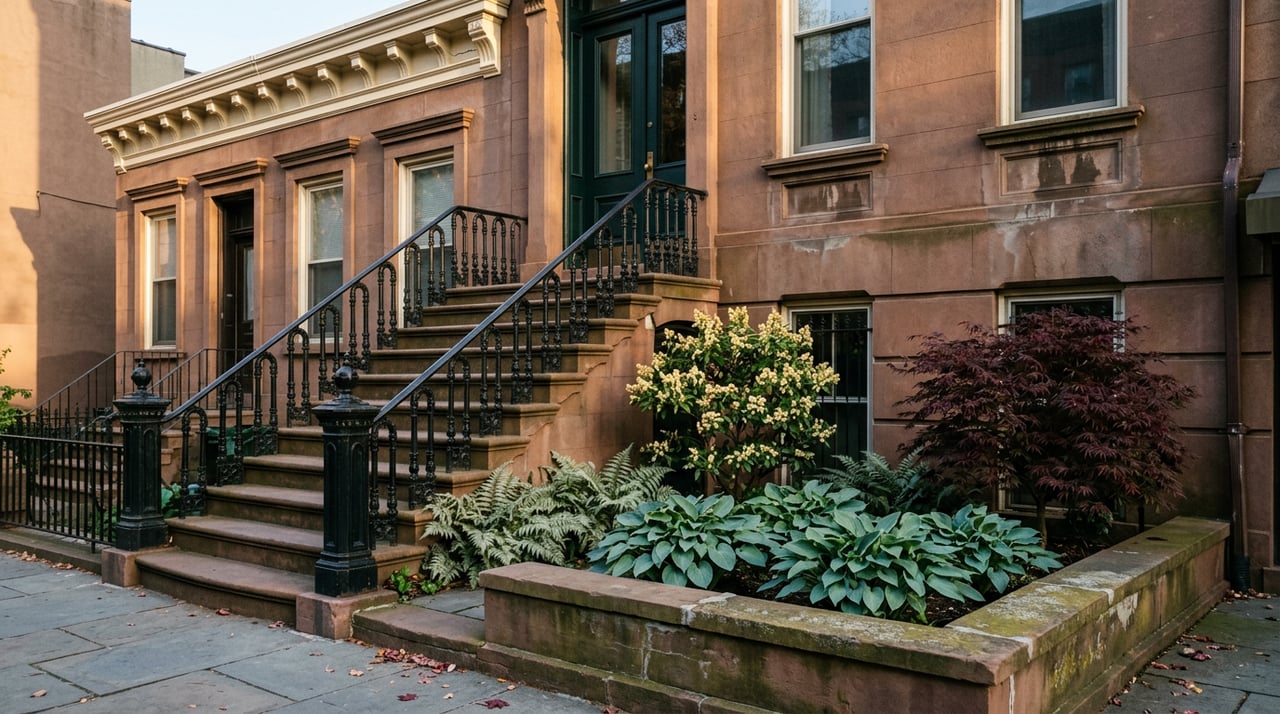
You want to buy your first home in Manhattan, but the West Side’s options feel all over the map. You’re not alone. Between co-ops and condos, price ranges that shift by building, and unique neighborhood vibes, it can be hard to know where to start. This guide breaks down Chelsea, the West Village, Tribeca, and the Upper West Side so you can match your budget, commute, and lifestyle to the right fit. Let’s dive in.
How the West Side compares
If you’re aiming for Manhattan’s West Side, expect a wide spread of prices and property types. Chelsea and the West Village sit in the mid-to-high range for Manhattan. Tribeca is among the most expensive in the city. The Upper West Side is generally the most accessible of the four, though still well above national norms. Neighborhood medians shift with each report, so use ranges when planning.
Across all four, product mix matters. Co-ops dominate much of the West Side and usually offer lower prices but stricter approval and sublet rules. Condos, especially in newer buildings, are pricier but give you simpler approvals and more flexibility. That tradeoff often decides where first-time buyers can enter.
Chelsea: modern energy and variety
Chelsea offers a mix of prewar co-ops, brownstone conversions, and many post-2000 condos, including pockets near the High Line and the 20s–30s streets. For a housing overview and typical building types, explore the Chelsea neighborhood guide.
Recent reporting places Chelsea’s median sale price in the high seven-figure range, with examples around about $2.7M depending on time period and new-development closings. Expect smaller co-op studios at lower entry points and 1–2 bedroom condos at significantly higher prices. See neighborhood-level context in Redfin’s Chelsea market overview.
On transit, you have straightforward West Side connectivity with the A/C/E and 1/2/3 lines nearby, plus crosstown access at 14th and 34th Streets. At street level, the High Line, Chelsea Market, galleries, and dining hubs draw many first-time buyers who want a lively, walkable area.
Best fit: You if you have a mid-to-high budget and want either a modern condo with amenities or a renovated prewar co-op at a lower entry price, with the usual co-op process.
West Village: character and small-scale charm
The West Village is known for historic townhouses, prewar co-ops, boutique condos, and a residential feel with dense dining and shopping. Price snapshots vary, but recent medians have hovered in the low-to-mid million-dollar range up to around $2M depending on the sample and period. Get current neighborhood data in Redfin’s West Village overview.
Culturally, this neighborhood is rich with history, including the Stonewall National Monument, alongside independent shops and landmarked blocks. Transit access is strong, with major lines through West 4th Street and the 1 train to the west.
Best fit: You if you prioritize neighborhood character and are open to entering through smaller co-ops. Be prepared for competitive inventory and premiums for condos or larger homes.
Tribeca: prestige, space, and higher entry points
Tribeca’s housing stock favors large loft conversions and high-end condos, with fewer low-price options. It consistently ranks among Manhattan’s priciest neighborhoods. Recent reports show medians in the roughly $3M to $4M range depending on timeframe and methodology. Check the latest view in Redfin’s Tribeca market overview.
Lifestyle highlights include boutique retail, well-regarded restaurants, and the annual Tribeca Festival. Transit access is strong to Lower and Midtown Manhattan, with hops to the World Trade Center and nearby hubs.
Best fit: You if you have a larger budget and want space, finish quality, and a quieter downtown feel. Entry-level inventory is limited and often priced well into seven figures.
Upper West Side: scale, parks, and wider choice
The Upper West Side is geographically large, mostly residential, and heavily co-op. You will also find white-glove condos along the park and pockets of new development. It often leads the city in total sales because there is simply more inventory. Recent summaries show medians around the low-to-mid $1.2M range in 2025, with higher pockets near Lincoln Square and central areas. Review the sales and pricing context in this Upper West Side market summary.
Transit is straightforward along the 1/2/3 and B/C lines, with easy Midtown access from Columbus Circle. Proximity to Central Park and major cultural institutions makes the UWS popular with buyers looking for longer-term homes and larger prewar layouts.
Best fit: You if you want more options at the lower end of the West Side price spectrum, including smaller co-ops and some condos, with a classic residential feel and steady resale dynamics.
Co-op vs condo on the West Side
Choosing co-op or condo early will shape your search and budget.
- Co-ops: Typically lower prices than condos, but stricter board approval, limited sublet policies, and higher liquidity expectations. Many co-ops look for 20–30 percent down or more, and some want sizable post-closing reserves. For a practical overview of down payment norms, see this guide to NYC co-op down payment expectations.
- Condos: Higher entry prices on average, but approvals are lender-driven and faster, and rental flexibility is better. Financing can differ from co-ops, so review how lenders underwrite each building type in this co-op vs condo financing explainer.
In both cases, look closely at building financials, reserve funds, any underlying mortgages, and pending assessments. Healthy buildings support resale value and smoother ownership.
Budget ranges and what you can expect
Price bands shift with market conditions and inventory, but these guidelines can help you set expectations:
- Under $800K: Uncommon on the West Side. You may find studio co-ops, often in more limited pockets. Inventory is sparse.
- About $800K–$1.5M: Possible entry to smaller co-ops on the Upper West Side, and occasional Chelsea or West Village co-ops with tradeoffs in size or condition. Expect closer board scrutiny.
- About $1.5M–$3M: Wider selection across Chelsea and the West Village for 1–2 bedroom co-ops or smaller condos, and some UWS condos.
- $3M and up: Opens more Tribeca options and prime condos or townhouses in Chelsea and the West Village, including new developments.
Note on data: neighborhood medians vary with reporting windows and whether new developments are included. Always check current numbers during your active search.
First-time buyer checklist
Use this quick plan to move from research to offers:
- Get pre-approved and confirm loan type for a condo or co-op. Read a lender’s take on financing differences.
- Build or verify post-closing liquidity. Many co-ops want higher down payments and reserves. See a detailed look at co-op down payment norms.
- Compare total monthly costs. Co-op maintenance includes building taxes, while condo owners pay separate taxes plus common charges.
- Prep your board package early. Organize tax returns, bank statements, pay stubs, and references before you offer.
- Confirm commute and lifestyle at the block level. Use the MTA station guide to check nearest lines and accessibility.
Putting it together
If you want modern condos and gallery energy, Chelsea offers variety with higher price points. If character and a village feel call to you, the West Village pairs charm with competitive pricing dynamics and smaller co-op entries. If you can stretch into the luxury tier, Tribeca delivers space and privacy at a higher entry. If you want more choices and classic residential streets, the Upper West Side provides the widest range for first-time buyers on the West Side.
A clear strategy connects your budget to the right building type, then narrows to blocks that match your commute and day-to-day life. If you want a steady, data-first guide through that process, connect with Steven Segretta for a complimentary, no-pressure market consultation.
FAQs
What should a first-time buyer know about West Side prices?
- Prices vary by neighborhood and building type. Chelsea and the West Village trend mid-to-high, Tribeca is among the priciest, and the Upper West Side is generally more accessible for entry-level buyers.
How do co-op down payments work in Manhattan?
- Many co-ops expect 20–30 percent down or more and may require strong post-closing reserves. Policies vary by building and board.
Which West Side neighborhoods have the most inventory for first-timers?
- The Upper West Side often has the broadest selection due to its size and co-op density. Smaller co-ops in Chelsea or the West Village surface, but competition can be strong.
What is the main tradeoff between a co-op and a condo?
- Co-ops are usually cheaper to buy but come with stricter approval and subletting rules. Condos cost more but have simpler approvals and more flexibility.
How can I check commute options before making an offer?
- Map the nearest subway lines and stations and test the route during your typical travel time. Use the MTA’s station info to confirm access and alternatives.